Crafting Exceptional Custom Produce Boxes: A Comprehensive Walkthrough
Developing specialized fruit and vegetable boxes needs a deliberate approach. Experts must assess sustainability, functionality, and visual appeal. Choosing the appropriate materials is essential for maintaining freshness and advancing environmentally conscious practices. Moreover, dimensions and shape can significantly influence usability and transport effectiveness. Compelling graphics enhance company recognition, while comprehensive assessment guarantees durability. Grasping these components will reveal key insights into producing standout packaging solutions that resonate to consumers. What comes next is essential to achieving those targets.
Choosing the Right Materials for Custom Produce Boxes
When selecting materials for custom produce boxes, it is essential to review both functionality and sustainability. The choice of material considerably affects the box's resilience, weight, and ability to protect the contents. Common materials feature corrugated cardboard, which supplies strength and is able to be recycled, making it a popular choice for eco-conscious businesses. Decomposable options, such as molded pulp or plant-based plastics, also embrace eco-friendly practices while offering adequate protection for delicate produce.
In addition, moisture resistance is essential for maintaining freshness, motivating some producers to examine conditioned compounds or tailored protective barriers. The visual quality of the box should not be overlooked, as branding and visual presentation can influence market perception. Ultimately, the right material should strike a balance between safeguarding products, appealing to customers, and adhering to environmental standards, making sure that effectiveness and environmental consciousness are stressed in the design process.
How to Select Size and Shape for Functionality?
When determining the size and shape of custom produce boxes, thorough evaluation of produce dimensions is crucial for effective storage. Additionally, attention to handling and transport can impact the box structure, ensuring ease of movement. Optimizing storage space utilization further enhances functionality, allowing for efficient display and storage.
Review Produce Dimensions With Care
Picking the ideal size and shape for fruit containers is required for operational success. Meticulous examination of item dimensions is paramount, as it confirms that products fit snugly without superfluous space that might lead to harm during transport or warehousing. Purpose-built boxes need to accommodate diverse configurations, from fragile fruits to bulky produce, while upholding strength. Moreover, the height and width of the boxes should facilitate layered storage and organization, optimizing space in warehouse zones. A well-engineered container not only guards the produce but also elevates visual appeal for consumers. In conclusion, deliberate measurement analysis of dimensions contributes to curtailing losses and boosting overall user experience in the supply chain.
Assess Handling and Transport Needs
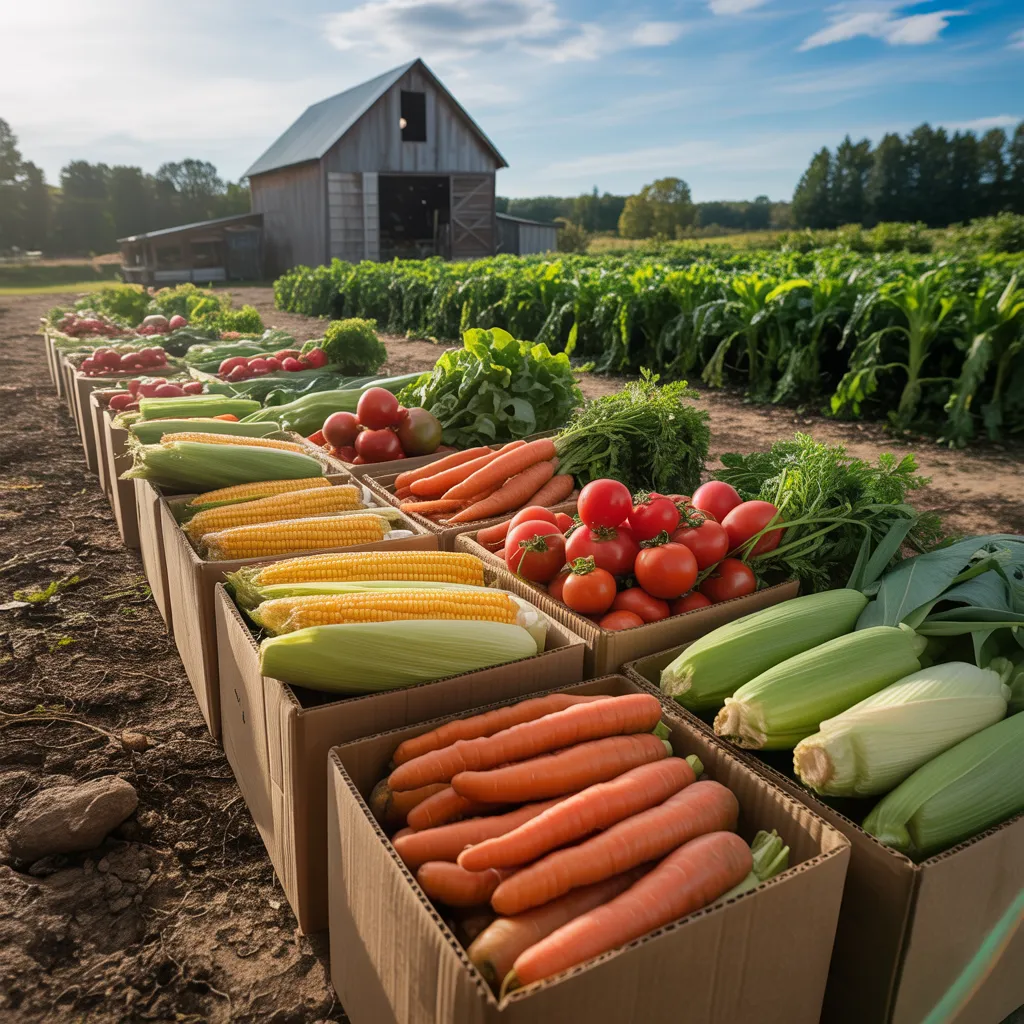
Handling and transport aspects play a major part in determining the right dimensions and configuration of bespoke agricultural boxes. The dimensions need to contain the items without excessive area, that could lead to shifting and damage in transit. Smaller, compact boxes make easier management, whereas big containers might prove essential for bulkier products. Also, ergonomic design remains essential; grip points or openings should get strategically placed to enable comfortable hoisting and transport. The form of the container equally determines arrangement and stability, guaranteeing that goods remain secure. Finally, careful consideration of such components strengthens the productivity of shipping, minimizes product loss, and maintains the overall soundness of the fresh goods beginning at farm to consumer.
Optimize Storage Space Usage
Optimizing shelf space usage depends on choosing the suitable proportions and design of specialized produce boxes. Design teams should evaluate the size specifications of the storage systems as well as the categories of crops being placed. Straight-edged boxes often boost space efficiency, permitting for more straightforward organization and positioning. Alternatively, non-standard forms can boost design appeal but may create unused space if not properly structured.
It's important to review the inventory turnover rate; fast-selling items might leverage compact, readily accessible boxes. Moreover, applying adaptable or modular frameworks can support various dimensions of merchandise while enhancing display organization. By focusing on practical design with visual appeal, organizations can establish a functional and attractive display that improves both ease of access and product prominence.
How to Produce Images That Draw Attention?
Engaging graphics can transform a basic custom produce box into a visual masterpiece that attracts interest. To accomplish this, creatives should start by selecting a color palette that showcases the freshness and energy of the produce. Bright, striking colors can evoke sensations of freshness and health, driving consumers to take a second glance.
Bold typography is also essential; readable typefaces can effectively communicate key details while boosting visual appeal. Moreover, employing superior photographs of the produce can form instant engagement, showcasing the product's quality and enticing potential buyers.
In addition, integrating unique patterns or illustrations can help differentiate the brand in a saturated market. Uniformity in design elements, such as logos and taglines, supports brand identity. Ultimately, a mixture of artistic vision and straightforwardness in visual design can greatly data elevate the influence of custom produce boxes, helping them become distinctive on shelves.
Green Practices for Custom Produce Box Packaging
A mounting number of firms are taking up environmentally responsible practices for custom produce box packaging, recognizing its importance in today's ecologically aware market. These practices often incorporate the use of biodegradable materials, such as recycled paper and plant-based plastics, which minimize environmental impact. Companies are also focusing on sustainable sourcing, verifying that materials are obtained from responsibly managed forests or suppliers who prioritize environmental stewardship.
Also, many brands are choosing simple designs that lower waste while still successfully displaying their products. This method not only attracts environmentally conscious consumers but also helps in cutting production costs. Moreover, businesses are increasingly implementing efficient manufacturing processes that limit energy consumption and waste generation. By integrating these sustainable practices, companies not only improve their brand image but also contribute positively to the planet, matching their operations with a sustainable future.
Verify Your Made-to-Order Produce Box Configuration
Evaluating the format of tailored packaging containers is a key step in ensuring they satisfy both aesthetic and functional requirements. This approach commonly involves reviewing factors including toughness, size, and usability. First, prototypes should be made to assess the box's mechanical strength, verifying it can withstand transportation and holding without weakening the goods.
Following this, user testing sessions can be carried out to evaluate how readily the boxes can be opened, closed, and layered. Comments from prospective users can be essential in this phase, sharing knowledge of the box's usefulness.
Moreover, the design's visual appeal should be assessed through focus group discussions or customer surveys, determining consumer reactions to brand identity elements, colors, and complete visual presentation.
In the end, rigorous testing enables designers to enhance the box, ensuring it not only appeals to customers but also adequately protects and displays the produce within, achieving the right equilibrium between form and function.
Advertising Your Custom Produce Boxes Effectively
Effective marketing of personalized produce boxes calls for a strategic approach that stresses their unique features and benefits. Businesses should focus on determining their intended customers, whether they are local farms, grocery stores, or individual consumers. Harnessing social networking sites can amplify brand awareness, displaying the boxes' appearance and functionality through compelling visuals and storytelling.
Additionally, teaming up with local influencers or farmers can strengthen standing and expand customer base. Featuring incentives or cost savings during seasonal peaks can win over early customers and encourage sustained patronage.
Additionally, highlighting sustainability and eco-friendliness in promotional content can resonate with eco-aware buyers. Offering comprehensive details about the materials used and the benefits of tailored packaging solutions can further differentiate the offering in a crowded marketplace.
Ultimately, a comprehensive marketing strategy that combines web-based and community-based efforts will successfully publicize custom produce boxes, attracting a diverse clientele and generating sales.
Popular Inquiries Asked Regularly
What Costs are Included in Custom Produce Box Customization?
Expenses tied to custom produce box design encompass materials, printing services, labor costs, and shipping. Furthermore, design services and order minimums can alter total expenditures, causing fluctuating prices based on exact requirements and production volume.
How Long Does Manufacturing of Custom Boxes Take?
Crafting custom boxes normally takes two to six weeks. Factors that shape this duration include design complexity, materials sourcing, and manufacturing capacity, each of which can affect shipment timelines and lead times.
May I Place an Request for a Small Batch of Custom Produce Boxes?
Yes, small quantities of bespoke produce containers can typically be ordered. Many providers extend minimum order quantities, enabling organizations or people to procure tailored packaging solutions without having to dedicate to large amounts from the beginning.
What Are Common Mistakes to Avoid in Personalized Box Layout?
Frequent mistakes in custom box design encompass neglecting functionality, ignoring brand consistency, undervaluing material quality, not considering target audience preferences, and disregarding environmental impact. Each aspect is essential for effective packaging and customer satisfaction.
What Measures Should I Take to Ensure My Boxes Are Food-Safe?
To verify boxes maintain food-grade standards, individuals must pick materials approved for food contact, avoid harmful inks and adhesives, sustain cleanliness during production, and routinely evaluate for compliance with health regulations and safety standards.